
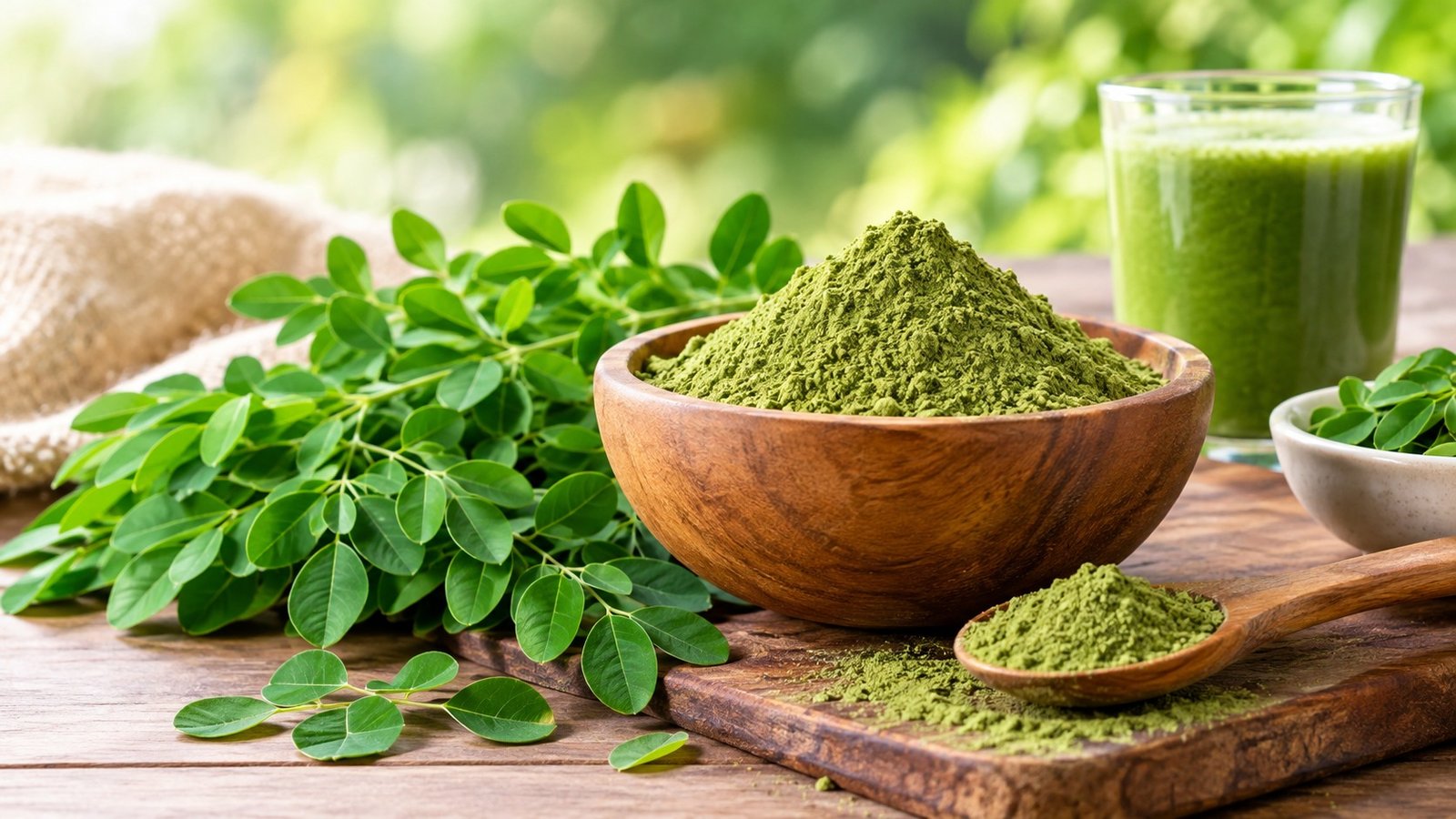

Discover the incredible benefits of moringa powder, a nutrient-dense superfood that can boost your health and enhance your everyday meals.
Nutritional Profile of Moringa Powder
Moringa powder is derived from the leaves of the Moringa oleifera tree, often referred to as the “miracle tree” due to its impressive nutrient profile. Packed with vitamins A, C, and E, moringa powder offers a robust array of antioxidants that combat oxidative stress and promote overall well-being. Additionally, it is rich in essential minerals like calcium, potassium, and iron, which are vital for maintaining strong bones, proper muscle function, and optimal blood health.
One of the standout features of moringa powder is its high protein content. Unlike many plant-based foods, moringa provides all nine essential amino acids, making it a complete protein source. This is particularly beneficial for vegetarians and vegans who may struggle to get adequate protein from their diets. Furthermore, moringa contains significant amounts of fiber, which aids in digestion, helps control blood sugar levels, and can contribute to weight management.
The nutrient density of moringa powder doesn’t stop there. It also boasts a variety of bioactive compounds, including quercetin, chlorogenic acid, and beta-carotene, which have been shown to have anti-inflammatory and anti-cancer properties. These compounds work synergistically to enhance the body’s natural defense mechanisms, making moringa powder a powerful addition to any diet.
Health Benefits of Moringa Powder
The health benefits of moringa powder are vast and well-documented. One of the most notable is its ability to reduce inflammation. Chronic inflammation is at the root of many diseases, including heart disease, arthritis, and certain cancers. The anti-inflammatory properties of moringa are primarily due to its high levels of antioxidants, which neutralize free radicals and reduce oxidative stress.
Another significant benefit is its potential to lower blood sugar levels. Studies have shown that moringa powder can help regulate glucose levels, making it a valuable dietary addition for individuals with diabetes or those at risk of developing the condition. The fiber content in moringa also plays a role in stabilizing blood sugar by slowing the absorption of sugar into the bloodstream.
Moringa powder is also beneficial for heart health. Its high levels of potassium help regulate blood pressure by balancing sodium levels in the body, while its antioxidants prevent the oxidation of cholesterol, reducing the risk of plaque formation in arteries. Additionally, moringa’s anti-inflammatory properties help maintain healthy blood vessels and improve overall cardiovascular function.
How to Incorporate Moringa Powder into Your Diet
Incorporating moringa powder into your diet is easy and versatile. One of the simplest ways is to add it to your smoothies. Just a teaspoon of moringa powder can boost the nutritional profile of your morning smoothie, providing you with essential vitamins, minerals, and protein to start your day. Pair it with fruits like bananas, berries, and spinach for a delicious and nutritious blend.
Moringa powder can also be sprinkled into soups, stews, and sauces. Its mild, slightly earthy flavor complements a wide variety of dishes without overpowering them. You can stir it into your favorite vegetable soup or add it to a hearty stew for an extra nutritional kick. It can even be used as a seasoning for roasted vegetables or mixed into salad dressings.
For those who enjoy baking, moringa powder can be an excellent addition to baked goods. You can mix it into the batter for muffins, bread, or pancakes to create nutrient-packed treats. Another creative way to use moringa powder is by blending it into energy balls or protein bars, combining it with nuts, seeds, and dried fruits for a healthy, on-the-go snack.
Moringa Powder vs. Other Superfoods
When comparing moringa powder to other popular superfoods, its comprehensive nutrient profile stands out. For example, while spirulina and chlorella are known for their high protein content, they lack the broad spectrum of vitamins and minerals found in moringa. Additionally, moringa’s complete protein profile gives it an edge over these algae-based superfoods, making it a more balanced option for those seeking plant-based nutrition.
Compared to matcha, another superfood known for its antioxidant properties, moringa offers a more diverse array of nutrients. While matcha is rich in catechins, a type of antioxidant, moringa provides a wider range of antioxidants, including quercetin and chlorogenic acid, along with essential vitamins and minerals. This makes moringa a more versatile choice for those looking to enhance their overall nutrient intake.
Chia seeds and flaxseeds are often praised for their omega-3 fatty acid content, but they fall short in other areas compared to moringa. While these seeds are excellent for heart health, they do not offer the same level of vitamins, minerals, and complete proteins that moringa does. Incorporating moringa powder into your diet can provide a more well-rounded nutritional boost, complementing the benefits of these other superfoods.
Potential Side Effects and Precautions
While moringa powder is generally safe for most people, it is essential to be aware of potential side effects and precautions. Some individuals may experience digestive issues, such as stomach upset or diarrhea, especially when consuming moringa powder in large quantities. To avoid this, it is recommended to start with a small amount and gradually increase the dosage as your body adjusts.
Pregnant and breastfeeding women should exercise caution when using moringa powder. While moringa leaves are considered safe in moderate amounts, the roots, bark, and flowers may contain compounds that could affect pregnancy. It is always best to consult with a healthcare provider before incorporating moringa powder into your diet if you are pregnant or breastfeeding.
Additionally, individuals taking medications for blood pressure or blood sugar management should consult with their healthcare provider before using moringa powder. Since moringa can lower blood pressure and blood sugar levels, it may interact with these medications, potentially leading to adverse effects. Monitoring your health and adjusting medication dosages as needed can help prevent any complications.
Choosing the Right Moringa Powder
Selecting high-quality moringa powder is crucial to ensure you receive the maximum benefits. Look for products that are organic and free from additives, preservatives, and fillers. Organic moringa powder is less likely to contain harmful pesticides and chemicals, making it a safer and more nutritious choice. Additionally, choosing a product that is sustainably sourced supports ethical farming practices and environmental conservation.
When purchasing moringa powder, pay attention to the color and texture. High-quality moringa powder should have a vibrant green color, indicating that it is fresh and contains a high concentration of nutrients. The texture should be fine and smooth, with no clumps or coarse particles. If the powder appears dull or has an off-putting smell, it may be a sign of poor quality or contamination.
Reading customer reviews and checking for third-party certifications can also help you make an informed decision. Certifications from organizations like USDA Organic or Fair Trade ensure that the product meets specific standards for quality and ethical sourcing. Customer reviews can provide insights into the effectiveness and taste of the product, helping you choose a moringa powder that meets your needs and preferences.
Recipes Featuring Moringa Powder
Incorporating moringa powder into your recipes can be a fun and delicious way to boost your nutrient intake. One simple and refreshing option is a moringa smoothie bowl. Blend a frozen banana, a handful of spinach, a teaspoon of moringa powder, and a cup of almond milk until smooth. Pour the mixture into a bowl and top with your favorite fruits, nuts, and seeds for a vibrant and nutritious breakfast.
For a savory twist, try adding moringa powder to your homemade guacamole. Mash two ripe avocados and mix in a teaspoon of moringa powder, along with diced tomatoes, onions, cilantro, lime juice, and salt. This nutrient-packed guacamole can be served with tortilla chips, used as a spread on sandwiches, or enjoyed as a topping for grilled meats and vegetables.
If you enjoy baking, consider making moringa-infused muffins. Combine whole wheat flour, baking powder, and a teaspoon of moringa powder in a mixing bowl. In a separate bowl, whisk together eggs, honey, and melted coconut oil. Gradually add the dry ingredients to the wet mixture, stirring until just combined. Fold in your favorite add-ins, such as blueberries or nuts, and bake at 350°F (175°C) for 20-25 minutes. These muffins make a delicious and nutritious snack or breakfast option.
Moringa Powder and Sustainability
Moringa powder is not only beneficial for your health but also for the environment. The Moringa oleifera tree is highly resilient and can grow in arid and semi-arid regions where other crops struggle to survive. This makes it an excellent option for promoting food security in areas prone to drought and poor soil conditions. Additionally, moringa trees require minimal water and can thrive without the need for chemical fertilizers or pesticides, making them a sustainable and eco-friendly crop.
The cultivation of moringa trees also contributes to environmental conservation. These trees have deep root systems that help prevent soil erosion and improve soil fertility by fixing nitrogen. By planting moringa trees, farmers can enhance the health of their soil and create a more sustainable agricultural system. Furthermore, the leaves, seeds, and pods of the moringa tree can all be used, reducing waste and maximizing the tree’s potential.
Supporting sustainable moringa farming practices not only benefits the environment but also supports local communities. Many moringa farms are small-scale and family-owned, providing livelihoods and economic opportunities for rural populations. By choosing moringa powder from ethical and sustainable sources, you can contribute to the well-being of these communities and promote fair trade practices.
Conclusion: Embracing Moringa for a Healthier Lifestyle
Incorporating moringa powder into your daily routine can offer a multitude of health benefits, from reducing inflammation and stabilizing blood sugar levels to supporting heart health and providing essential nutrients. Its versatility in culinary applications makes it easy to enjoy in a variety of dishes, from smoothies and soups to baked goods and snacks.
When comparing moringa powder to other superfoods, its comprehensive nutrient profile and wide range of health benefits make it a standout choice. However, it is essential to be mindful of potential side effects and consult with a healthcare provider if you have any underlying health conditions or are taking medications.
By choosing high-quality, sustainably sourced moringa powder, you can enhance your health while supporting environmental conservation and local communities. Embrace the power of moringa powder and discover how this nutrient-dense superfood can transform your diet and contribute to a healthier, more sustainable lifestyle.