
Natural Remedies for Yeast Infection: What May Help, What to Avoid, and When to See a Doctor

If you are searching for natural remedies for yeast infection, you are probably looking for a way to reduce itching, burning, irritation, and discomfort without immediately reaching for medication.
Vaginal yeast infections are common and are usually caused by an overgrowth of Candida, a type of fungus that can normally live in the vagina without causing problems. However, when the natural balance changes, Candida can multiply and cause symptoms.
There are many natural yeast infection remedies discussed online, including probiotics, yogurt, coconut oil, garlic, tea tree oil, apple cider vinegar, and dietary changes. However, not all of these remedies have been proven to treat a vaginal yeast infection, and some can actually irritate sensitive vaginal tissue.
This guide explains what the evidence says about natural remedies, what you can safely do at home, which popular remedies to avoid, and when it is important to see a healthcare professional.
Important: This article is for general educational purposes and is not a substitute for medical diagnosis or treatment. If this is your first suspected yeast infection, your symptoms are severe, you are pregnant, or symptoms keep coming back, talk with a healthcare professional.
What Is a Vaginal Yeast Infection?
A vaginal yeast infection, also called vaginal candidiasis or vulvovaginal candidiasis (VVC), occurs when Candida grows excessively in the vagina.
Candida albicans causes most vaginal yeast infections. Normally, the vagina contains a mixture of microorganisms, including yeast and beneficial bacteria. When this balance changes, yeast can multiply and cause inflammation and irritation.
Yeast infections are not generally considered sexually transmitted infections (STIs), although sexual activity can sometimes play a role in transmission or irritation.
Common Symptoms of a Yeast Infection
Symptoms can vary from person to person, but common signs include:
- Intense itching around the vagina or vulva
- Burning or irritation
- Redness or swelling
- Vaginal soreness
- Pain during sex
- Burning or discomfort while urinating
- Thick, white vaginal discharge that may resemble cottage cheese
- Discharge that usually does not have a strong unpleasant odor
These symptoms can overlap with other vaginal conditions, including bacterial vaginosis and some sexually transmitted infections. That is one reason self-diagnosis can be difficult.
What Causes Yeast Infections?
A vaginal yeast infection occurs when Candida grows excessively.
Several factors can increase the likelihood of developing an infection, including:
Antibiotic use
Antibiotics can change the balance of bacteria in the vagina, potentially allowing yeast to grow more easily.
Pregnancy
Hormonal changes during pregnancy can increase the risk of vaginal yeast infections.
Diabetes
Poorly controlled blood sugar can increase the risk of yeast infections.
Hormonal changes
Higher estrogen levels, including those associated with certain hormonal contraceptives or pregnancy, may increase susceptibility.
A weakened immune system
People with certain immune conditions or those taking immunosuppressive medicines may have a higher risk.
Douching and scented products
Douching and scented vaginal products can disrupt the normal vaginal environment and may increase irritation or infection risk.
Natural Remedies for Yeast Infection: What Does the Evidence Say?
There is a big difference between a remedy being popular online and a treatment being clinically proven.
The CDC states that there is no substantial evidence supporting probiotics or homeopathic medications as treatments for vulvovaginal candidiasis. Mayo Clinic similarly notes that no alternative medicine therapies have been proven to treat vaginal yeast infections.
That does not mean every natural approach is useless. Some lifestyle measures may help maintain vaginal health, and researchers are studying probiotics as a possible supportive treatment.
However, natural remedies should not automatically replace proven antifungal treatment.
1. Probiotics for Yeast Infection
Probiotics contain beneficial microorganisms, including species of Lactobacillus, which are naturally associated with a healthy vaginal microbiome.
This is one of the more interesting areas of research surrounding natural yeast infection remedies.
A recent systematic review and meta-analysis of randomized trials found that probiotics used alongside antifungal treatment may improve some short-term outcomes and reduce recurrence, although the certainty of the evidence was low or very low. Probiotics alone were less effective than antifungal treatment for some outcomes.
Another systematic review found potential benefits from probiotics, particularly regarding recurrence, but the researchers noted the need for further research.
What this means
Probiotics may have a role as a supportive approach, but they should not be considered a proven replacement for antifungal treatment.
If you want to consume probiotics, food sources can include:
- Yogurt with live cultures
- Kefir
- Other fermented foods containing live cultures
Do not insert yogurt or probiotic products directly into the vagina unless specifically advised by a healthcare professional.
2. Yogurt for Yeast Infection
Yogurt is frequently recommended online as a natural yeast infection remedy because some yogurts contain Lactobacillus and other live cultures.
There has been research investigating whether consuming probiotic yogurt can influence vaginal Candida colonization. However, the evidence is not strong enough to say that yogurt can cure an active vaginal yeast infection. The Office on Women’s Health notes that more research is needed to determine whether yogurt or probiotics can prevent or treat vaginal yeast infections.
A safer approach
If you enjoy yogurt, choosing plain yogurt with live cultures can be part of a balanced diet.
However, do not assume that eating yogurt will eliminate an existing infection, and avoid inserting yogurt into the vagina.
3. Coconut Oil for Yeast Infection
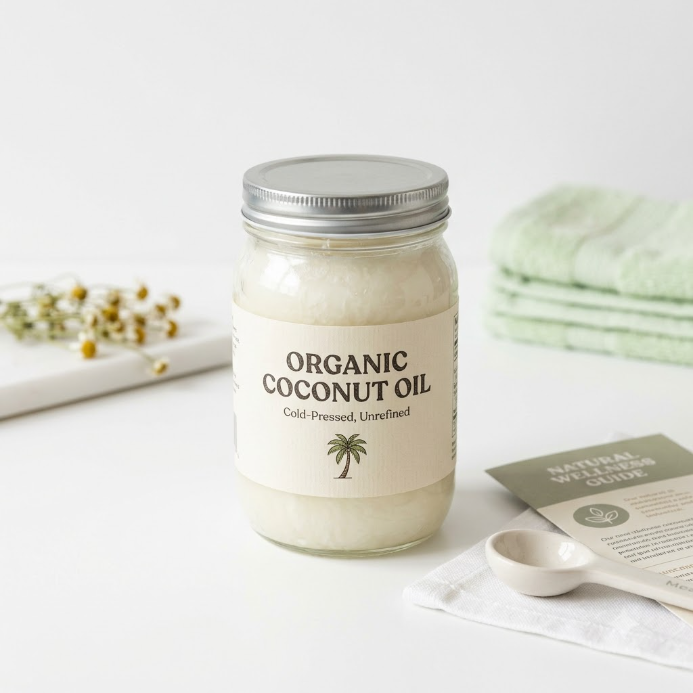
Coconut oil is another commonly searched natural remedy for yeast infections.
Laboratory and preliminary research has investigated the antifungal properties of coconut oil against Candida. However, evidence from laboratory studies does not establish that applying coconut oil to the vagina will successfully treat a clinical yeast infection.
Cleveland Clinic also warns against putting DIY products such as coconut oil inside the vagina because there is not solid evidence that these approaches effectively treat vaginal yeast infections.
Bottom line
Coconut oil may sound like a gentle natural option, but it should not be considered a proven treatment for vaginal candidiasis.
4. Garlic for Yeast Infection
Garlic is often promoted online because certain compounds in garlic have antifungal properties in laboratory research.
That does not mean that placing raw garlic inside the vagina is a safe or effective treatment.
There is not enough high-quality evidence to recommend inserting garlic into the vagina to treat a yeast infection.
Raw garlic can also irritate sensitive tissue.
Avoid this DIY remedy
Do not insert raw garlic cloves into your vagina.
If you enjoy garlic as part of your normal diet, there is no need to eliminate it simply because you have a yeast infection.
5. Tea Tree Oil for Yeast Infection
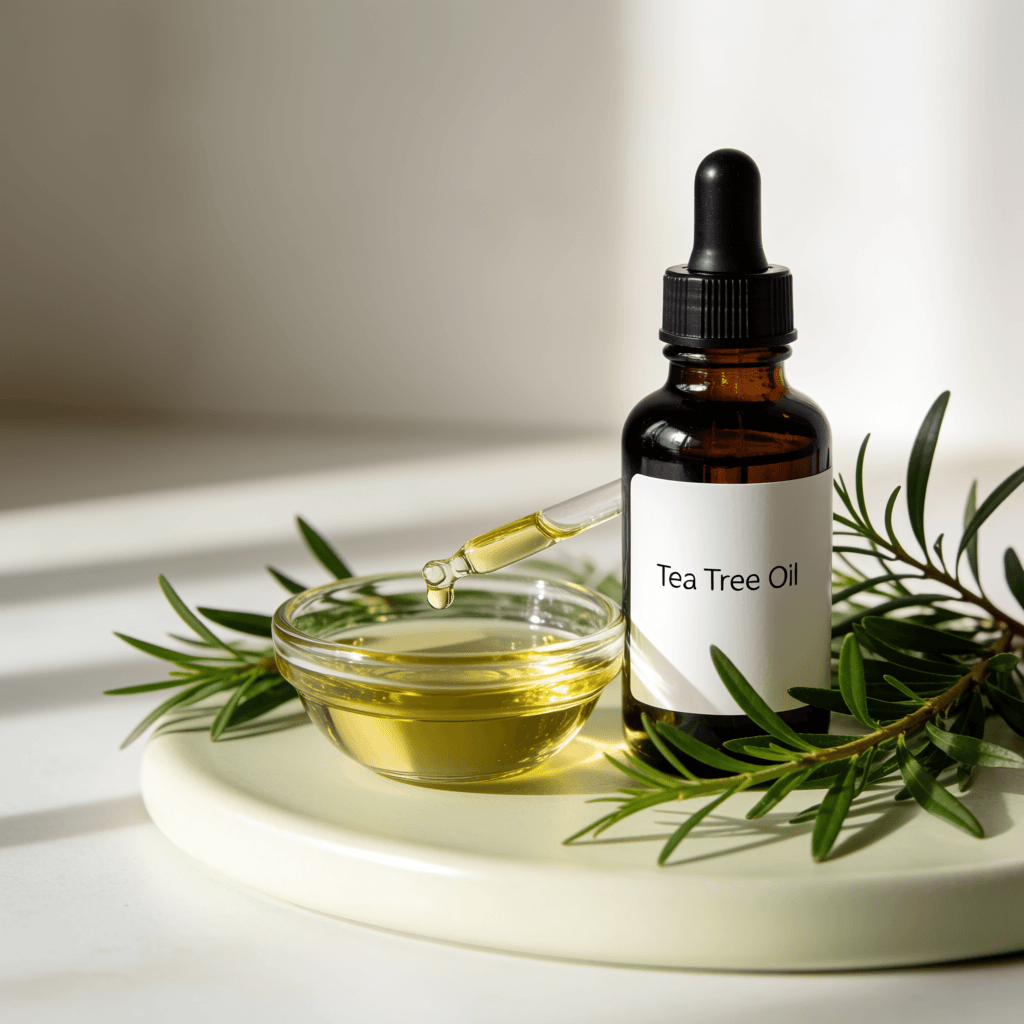
Tea tree oil is another popular natural antifungal ingredient.
Some laboratory and preliminary studies have investigated tea tree oil against Candida. However, this evidence is not sufficient to establish tea tree oil as a safe or effective treatment for vaginal yeast infections.
Essential oils can also cause skin irritation or allergic reactions.
Should you put tea tree oil in the vagina?
No.
Avoid using undiluted essential oils inside the vagina. The vaginal area is sensitive, and irritation can make symptoms worse.
6. Apple Cider Vinegar for Yeast Infection
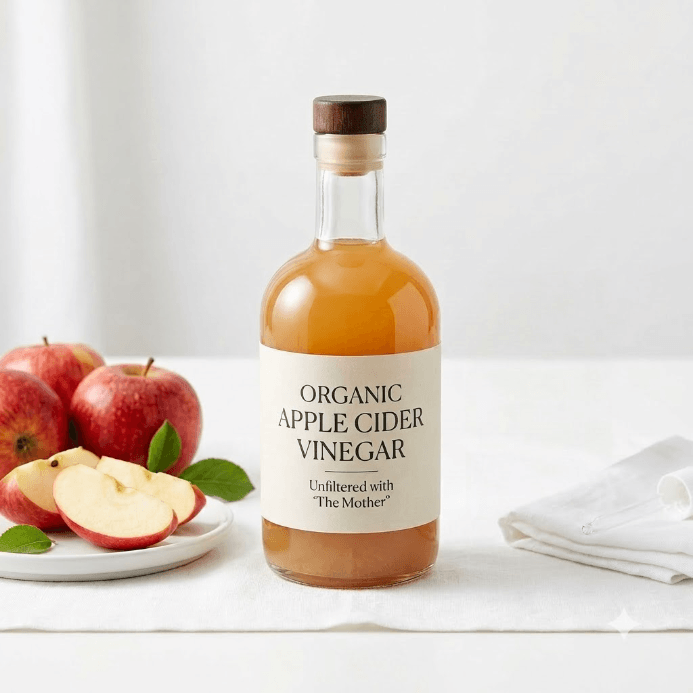
Apple cider vinegar is frequently promoted as a natural treatment for yeast infections because of its acidity.
However, there is no strong clinical evidence that drinking apple cider vinegar or applying it vaginally cures vaginal candidiasis.
Putting vinegar directly on irritated vaginal tissue can cause additional burning and irritation.
What about an apple cider vinegar bath?
There is insufficient evidence to recommend vinegar baths as a treatment for vaginal yeast infection.
If your symptoms are significant, it is better to seek an accurate diagnosis rather than relying on vinegar or another DIY treatment.
7. Baking Soda for Yeast Infection
Baking soda is sometimes recommended online for vaginal itching or yeast infections.
However, there is not sufficient evidence that baking soda baths cure vaginal candidiasis.
More importantly, altering the vaginal environment unnecessarily may cause irritation or disrupt the normal balance of microorganisms.
Avoid putting baking soda directly inside the vagina.
8. Dietary Changes and the “Candida Diet”
You may have seen recommendations to completely eliminate sugar, carbohydrates, dairy, fruit, or yeast-containing foods to “starve Candida.”
Although diet is an important part of overall health, there is not enough evidence to conclude that a restrictive “Candida diet” can cure an active vaginal yeast infection.
Instead of following an unnecessarily restrictive diet, focus on a balanced eating pattern that includes:
- Vegetables
- Fruits
- Whole grains
- Protein-rich foods
- Healthy fats
- Fermented foods with live cultures, if tolerated
If you have diabetes, maintaining good blood sugar control is particularly important because poorly controlled diabetes can increase the risk of yeast infections.
What Natural Approaches Can Help With Vaginal Health?
While natural remedies should not replace proven treatment for an active infection, several simple habits may help reduce irritation and lower your risk of future infections.
Keep the area dry
Yeast thrives in warm, moist environments. Change out of wet swimsuits and sweaty workout clothes as soon as practical.
Choose breathable underwear
Cotton or cotton-lined underwear can help reduce moisture buildup.
Avoid scented products
Avoid scented sprays, wipes, bubble baths, pads, tampons, and other products that may irritate the vulvar area.
Don’t douche
Douching can disrupt the normal vaginal environment and is not recommended.
Avoid unnecessary antibiotics
Antibiotics should only be taken when medically appropriate and prescribed or recommended by a healthcare professional.
Practice good hygiene
The vagina is self-cleaning. You generally do not need to use soaps, perfumes, or cleansing products inside the vagina.
The Office on Women’s Health recommends avoiding douching and scented products and changing out of wet clothing to help lower the risk of vaginal yeast infections.
Natural Remedies vs. Antifungal Treatment
This is an important distinction.
Natural remedies may be appealing because they seem gentle and inexpensive. But proven antifungal medications are the standard treatment for vaginal yeast infections.
For uncomplicated vaginal candidiasis, CDC guidelines list several effective antifungal options, including topical medications such as miconazole, clotrimazole and terconazole, as well as oral fluconazole in appropriate nonpregnant patients.
According to the CDC, recommended short-course topical treatments are effective for uncomplicated infections, with azole treatments providing symptom relief and negative cultures in approximately 80%–90% of people who complete treatment.
This is why a natural remedy should not delay appropriate medical treatment when an infection is suspected.
Can a Yeast Infection Go Away on Its Own?
Some mild symptoms may improve, but you should not assume that vaginal itching or discharge is automatically a yeast infection.
The symptoms of yeast infection can resemble bacterial vaginosis, sexually transmitted infections, allergic reactions, and other vaginal conditions.
The Office on Women’s Health recommends seeing a healthcare professional if you think you have a yeast infection because proper diagnosis matters.
If this is your first episode, if symptoms are unusual or severe, or if treatment does not work, getting evaluated is particularly important.
When Should You See a Doctor for a Yeast Infection?
Consider medical evaluation if:
- This is your first suspected yeast infection.
- You are not sure whether your symptoms are caused by yeast.
- Symptoms are severe.
- Symptoms continue after treatment.
- Symptoms return shortly after treatment.
- You have repeated infections.
- You are pregnant.
- You have diabetes.
- You have a weakened immune system.
- You have unusual vaginal discharge or a strong odor.
- You have pelvic or significant abdominal pain.
- You have concerns about an STI.
The CDC recommends clinical evaluation when symptoms persist after over-the-counter treatment or return within two months of treatment.
Recurrent Yeast Infections: Why They Need More Attention
If you experience repeated vaginal yeast infections, simply trying another home remedy may not solve the underlying problem.
The Office on Women’s Health defines recurrent vulvovaginal candidiasis as four or more yeast infections in one year. Recurrent infections can occur in otherwise healthy people but may be associated with factors such as diabetes or immune-system problems.
The CDC notes that recurrent infections can also involve non-albicans Candida species, which may respond differently to conventional treatments.
If you repeatedly experience symptoms, ask a healthcare professional about testing and an appropriate treatment plan.
Yeast Infection During Pregnancy
Pregnancy is a situation where you should be especially careful about self-treating a suspected yeast infection.
Vaginal yeast infections are more common during pregnancy. U.S. health guidance recommends vaginal antifungal creams or suppositories containing medications such as miconazole or clotrimazole during pregnancy, while oral fluconazole should not be used to treat a yeast infection during pregnancy without appropriate medical guidance.
Do not experiment with DIY vaginal remedies during pregnancy.
If you are pregnant and think you have a yeast infection, speak with your obstetrician, midwife, or other qualified healthcare professional before using a treatment.
What Should You Avoid Putting Inside the Vagina?
One of the most important messages when discussing natural yeast infection remedies is that natural does not automatically mean safe.
Avoid experimenting with substances such as:
- Raw garlic
- Undiluted essential oils
- Vinegar
- Hydrogen peroxide
- Baking soda
- Homemade herbal mixtures
- Coconut oil inserted into the vagina
- Yogurt inserted into the vagina
- Other DIY suppositories
Cleveland Clinic specifically warns that popular DIY treatments can be ineffective or unsafe and recommends proven antifungal treatment instead.
The vaginal environment is sensitive. Introducing unfamiliar substances can cause irritation, alter the local microbiome, or delay appropriate treatment.
Frequently Asked Questions
What is the fastest natural remedy for a yeast infection?
There is no natural remedy that has been proven to reliably and quickly cure vaginal yeast infection. Evidence-based antifungal medications are the established treatment for uncomplicated vaginal candidiasis.
Can a yeast infection go away naturally?
Symptoms may sometimes improve, but it is not safe to assume that an untreated vaginal infection will resolve on its own. Similar symptoms can be caused by BV, STIs, skin conditions, and other problems.
Does yogurt help yeast infections?
Yogurt containing live cultures may have a role in vaginal health, but evidence is not strong enough to consider yogurt a treatment for an active yeast infection. More research is needed.
Can probiotics help with yeast infections?
Research suggests probiotics may provide some benefit when used alongside conventional antifungal treatment, particularly in relation to recurrence, but the evidence remains limited and inconsistent. Probiotics should not be considered a replacement for antifungal therapy.
Is coconut oil good for a yeast infection?
Coconut oil has demonstrated antifungal activity in some laboratory research, but this does not prove that it can cure vaginal candidiasis in people. Avoid inserting coconut oil into the vagina as a DIY treatment.
Does garlic cure a yeast infection?
There is not enough clinical evidence to recommend raw garlic as a treatment for vaginal yeast infections. Inserting raw garlic can irritate sensitive tissue and should be avoided.
Does apple cider vinegar cure yeast infections?
There is no strong clinical evidence that apple cider vinegar cures vaginal yeast infections. Applying vinegar to irritated vaginal tissue may cause additional irritation.
How can I prevent yeast infections naturally?
Helpful habits include avoiding douching and scented vaginal products, changing out of wet clothing, wearing breathable underwear, and avoiding unnecessary antibiotics. If you have diabetes, keeping blood sugar under control may also reduce your risk.
How do I know whether I have a yeast infection or BV?
Yeast infections commonly cause intense itching, irritation and thick white discharge. BV can have different symptoms, including thin discharge and a fishy odor. However, symptoms can overlap, so testing or professional evaluation may be necessary for an accurate diagnosis.
When should I see a doctor?
See a healthcare professional if it is your first suspected yeast infection, symptoms are severe, symptoms don’t improve after treatment, symptoms return quickly, you have recurrent infections, or you are pregnant or have a condition that affects your immune system.
The Bottom Line
Searching for natural remedies for yeast infection is understandable, especially if you prefer a more natural approach to health.
However, the most important thing is not to confuse a popular home remedy with a proven medical treatment.
Some approaches, such as eating probiotic foods, may support general health and are being studied for their potential role in vaginal health. But current evidence does not establish natural remedies such as coconut oil, garlic, apple cider vinegar, or essential oils as reliable cures for vaginal yeast infections.
If you have symptoms, especially for the first time, getting the correct diagnosis is the safest starting point. When an infection is confirmed, appropriate antifungal treatment can usually clear uncomplicated cases effectively.
Natural health practices can complement good vaginal hygiene and overall wellness—but they should not delay appropriate medical care.
Medical disclaimer: This content is intended for educational purposes only and does not provide medical advice, diagnosis, or treatment. Always consult a qualified healthcare professional for personal medical concerns.