


Living with diabetes can be challenging, but with the right approach and dietary choices, it is possible to manage high blood sugar levels effectively. Ayurveda, the ancient Indian system of medicine, offers valuable insights into using natural foods to regulate blood sugar levels. In this article, we will explore seven Ayurveda-approved foods that can help diabetics maintain better control over their blood sugar levels.
1. Bitter Gourd (Karela)
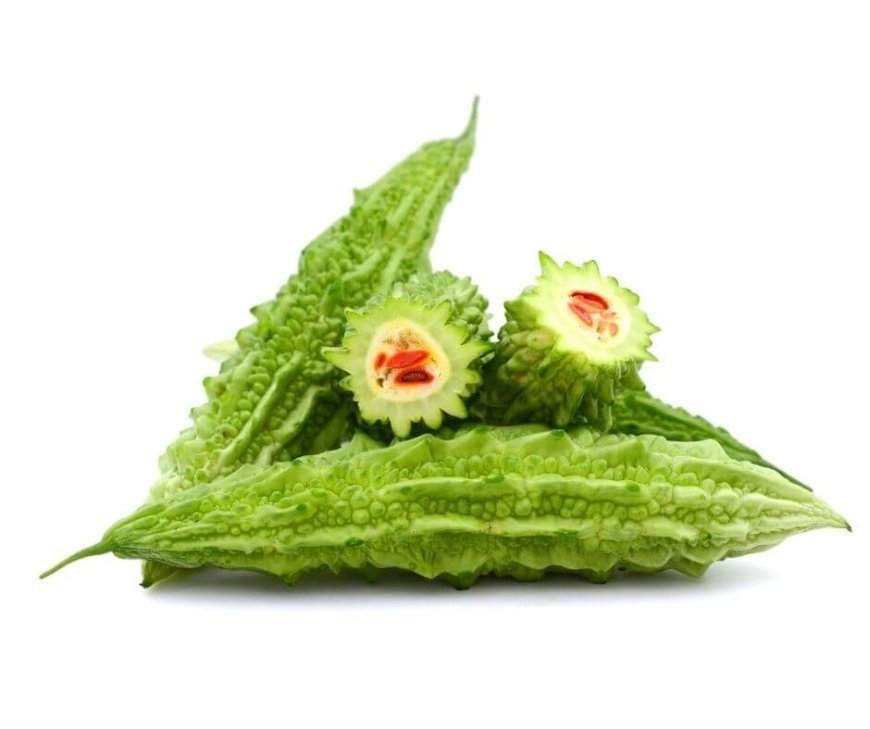
Bitter gourd, also known as karela, is a highly regarded vegetable in Ayurveda for its potent anti-diabetic properties. It contains a compound called charantin, which has been found to have blood glucose-lowering effects. Additionally, bitter gourd is rich in polypeptide-p, a plant insulin that mimics the action of insulin produced by the pancreas, thereby helping to regulate blood sugar levels. Including bitter gourd in your diet, either in cooked or juice form, can be beneficial for managing diabetes.
2. Fenugreek (Methi)
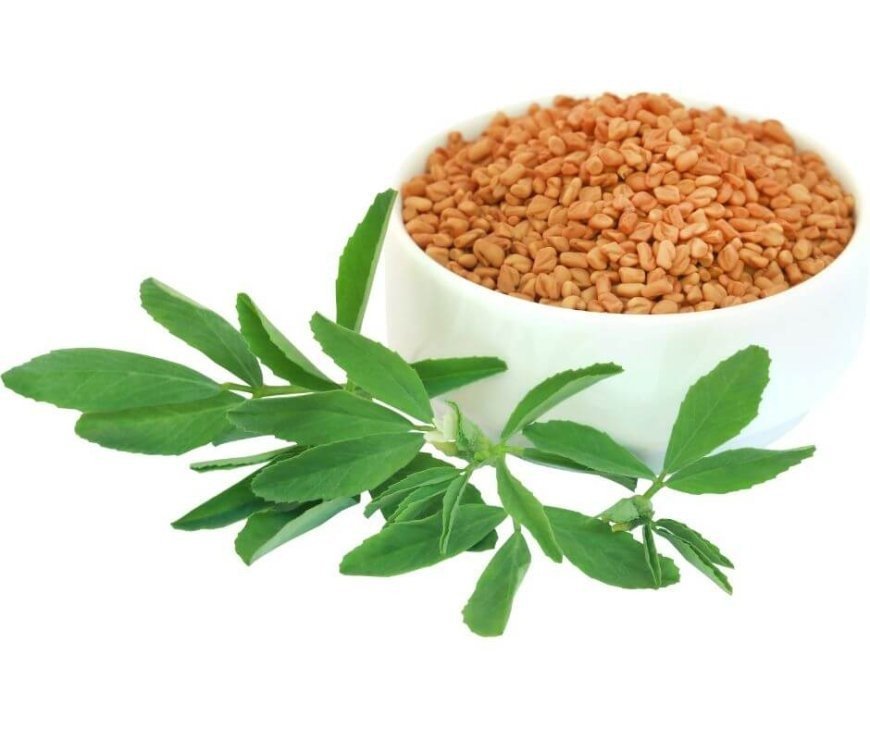
Fenugreek, commonly known as methi, is another staple in Ayurvedic remedies for diabetes management. The seeds of fenugreek are rich in soluble fiber, which slows down the absorption of sugar in the blood and improves insulin sensitivity. Studies have shown that regular consumption of fenugreek can lead to reduced fasting blood sugar levels and improved glucose tolerance. Sprinkle fenugreek seeds on your meals or soak them overnight and consume them in the morning to reap its benefits.
3. Indian Gooseberry (Amla)

Indian gooseberry, or amla, is a powerhouse of antioxidants and a rich source of Vitamin C. It aids in improving pancreatic function and stimulating insulin production, making it an excellent fruit choice for diabetics. Additionally, amla helps strengthen the immune system and promotes overall well-being. You can consume amla as fresh fruit, dried powder, or even in juice form to help manage blood sugar levels.
4. Turmeric (Haldi)
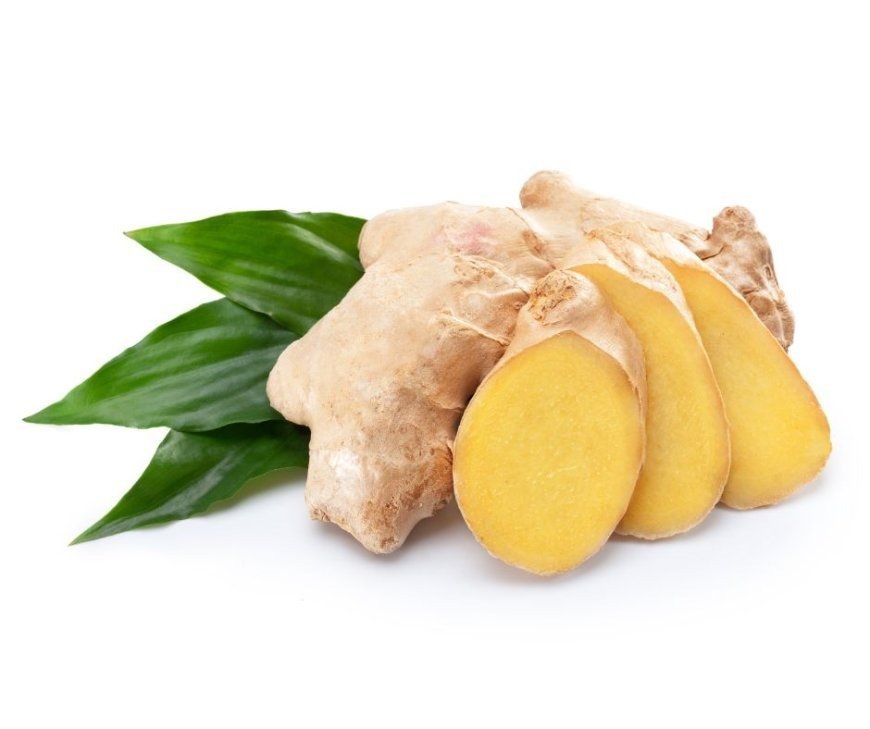
Turmeric, with its active compound curcumin, has been a part of traditional Indian medicine for centuries. Curcumin has anti-inflammatory properties and can help enhance insulin sensitivity, leading to better blood sugar control. Incorporating turmeric into your daily diet by using it in cooking or drinking it with warm milk can be beneficial for diabetics.
5. Cinnamon (Dalchini)
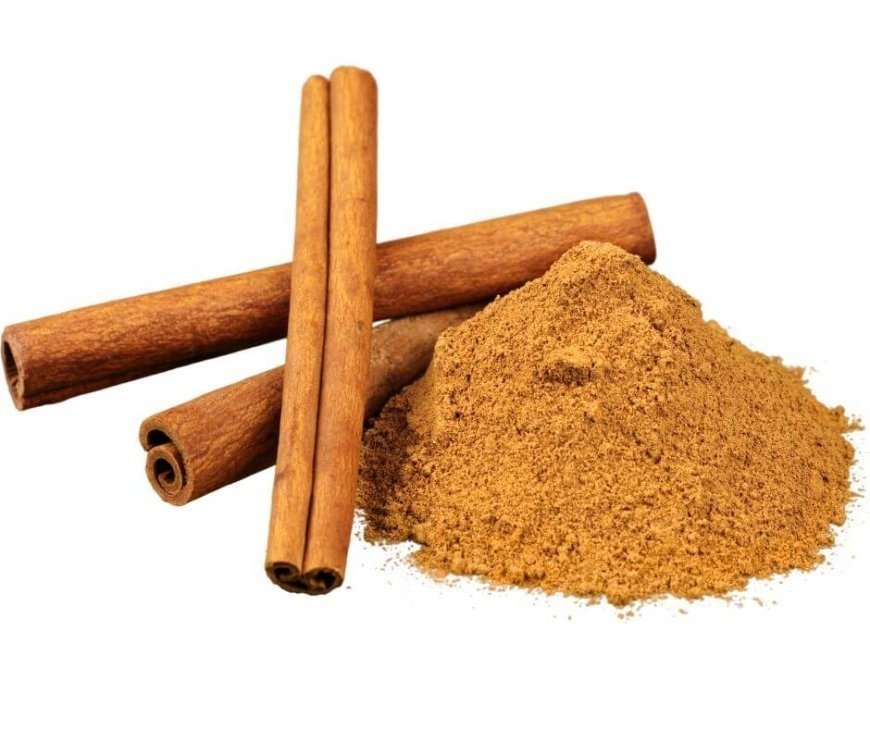
Cinnamon, or dalchini, is not only a delightful spice but also a natural remedy for diabetes. It has been found to reduce fasting blood sugar levels and improve insulin sensitivity. The active compounds in cinnamon increase glucose uptake in cells, thus promoting better blood sugar regulation. Sprinkle cinnamon powder on your morning cereal or add it to your tea for a touch of sweetness and health benefits.
6. Bael (Wood Apple)

Bael, also known as wood apple, is an underrated fruit that offers numerous health benefits, especially for diabetics. It has a low glycemic index and is rich in fiber, helping to slow down the release of sugar into the bloodstream. Additionally, bael leaves can help stimulate the pancreas and improve insulin secretion. Consuming bael fruit or its juice regularly can aid in managing blood sugar levels effectively.
7. Indian Blackberry or Black Plum (Jamun)
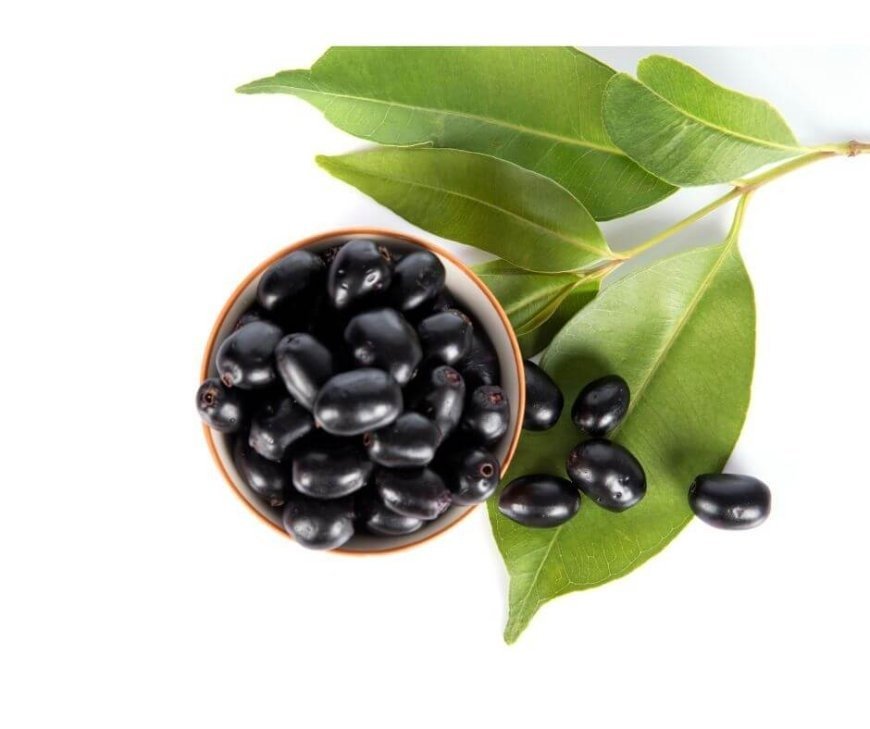
Indian blackberry or black plum, commonly known as jamun, is a fruit well-regarded in Ayurveda for its anti-diabetic properties. The fruit and its seeds contain compounds that help in the proper utilization of glucose, thus maintaining healthy blood sugar levels. Jamun also has a low glycemic index, making it a suitable fruit for diabetics. You can enjoy jamun as fresh fruit or in juice form to reap its benefits.
8. Giloy or Tinospora Cordifolia
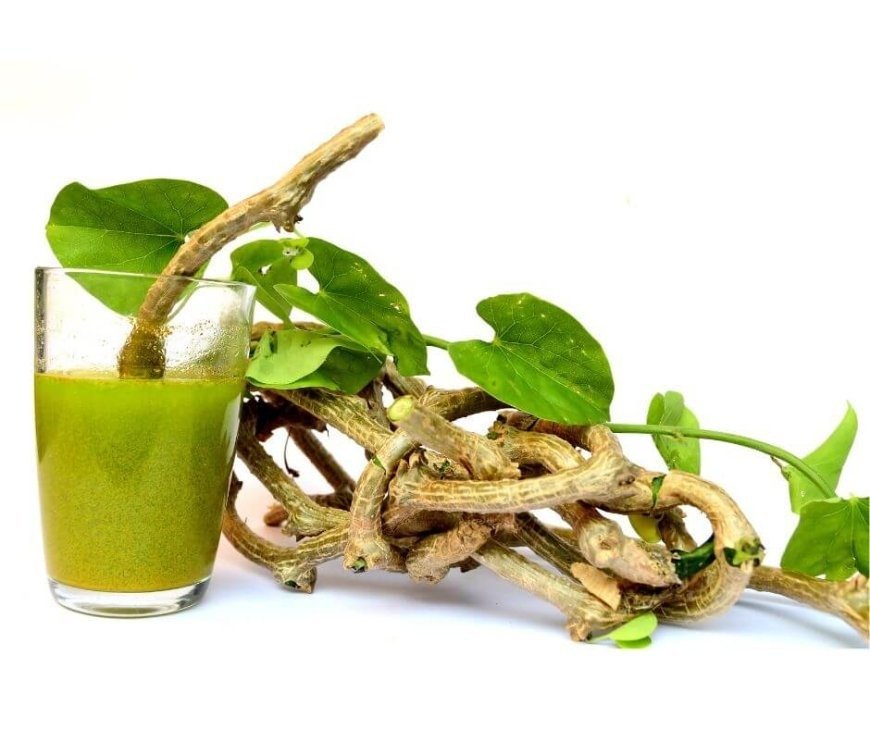
Giloy, also known as Tinospora cordifolia, is an ancient herb that holds immense significance in Ayurvedic medicine. It possesses anti-inflammatory and antioxidant properties, which can help improve insulin sensitivity and regulate blood sugar levels. Giloy can be consumed as a juice or in powdered form to support diabetes management and enhance overall well-being.
9. Aloe Vera

Aloe vera is a versatile plant known for its healing properties. It also offers benefits in managing diabetes. Aloe vera gel contains compounds that enhance insulin sensitivity and improve glucose metabolism. Drinking aloe vera juice, when taken in moderation, can help stabilize blood sugar levels and contribute to better diabetes management.
Conclusion
Incorporating these Ayurveda-approved foods into your diet can be a natural and effective way to manage high blood sugar levels in diabetics. However, it is essential to remember that dietary changes should be made in consultation with a healthcare professional, especially if you are on medication or have existing health conditions. By embracing these healthy food choices and maintaining a balanced lifestyle, you can take significant strides in controlling diabetes and leading a healthier, happier life.